
Zombie Roguebie: Survivor Game
MetajoyAdventure
4.6153.00 Reviews
- Version
- 1.19.0
- Installs
- 10.00K
- Age Rating
- Everyone 10+
Screenshots
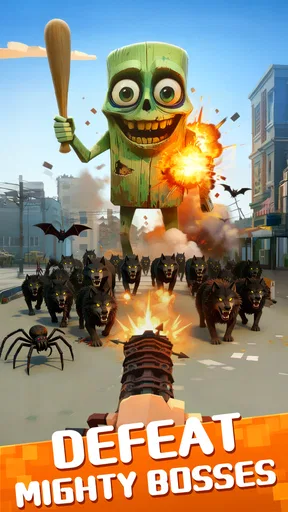
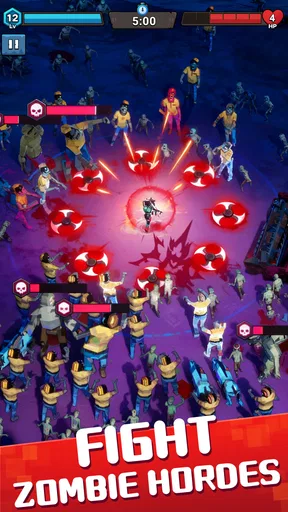
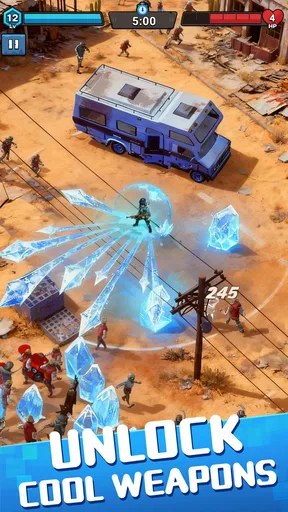
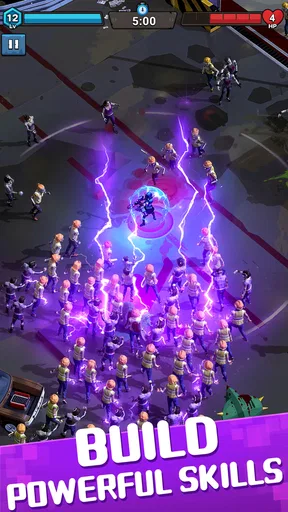
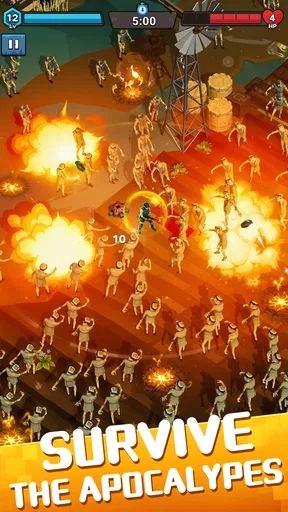
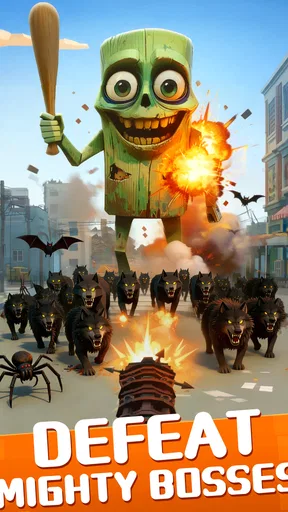
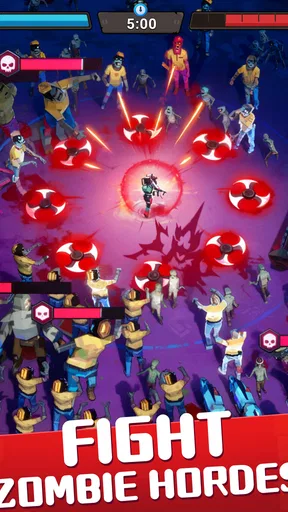
Our Review of Zombie Roguebie: Survivor Game
 Analysis by Appyee
Zombie Roguebie: Survivor Game is an adventure title from Metajoy that caught my attention because it tries to combine three familiar survival ideas in one short-session format: shooting, defending a position, and staying alive while the world fills with zombies. That combination sounds simple, but it changes the way I approach each run. I am not only aiming at enemies; I am also deciding when to protect space, when to move, and when to take a risk for a stronger position.
After spending time with it, I see the game as a good fit for players who enjoy compact roguelike runs and do not need a large story campaign to stay interested. It is free to start, rated for Everyone 10+, and supports devices running Android 7.0 or later. The current release is version 1.19.0, and the game has already passed 10K installs. Its average rating is 4.6 from more than 500 ratings, which matches my impression that the basic loop is easy to understand and immediately playable.
The important thing is not simply that it contains shooting, defence, and survival. The real appeal is how those roles compete for my attention. A weapon may solve the threat in front of me, but a defensive choice can matter more a few moments later. That tension gives the game its identity, and it is the capability I would focus on before deciding whether to download it.
One run, three kinds of pressure
I find that the three pressures are easiest to understand when I separate what each one asks of me: shooting handles immediate threats, defence makes me think about space, and survival keeps the consequences in view. In this section, I’ll look at how those roles shape a run and why switching priorities matters more than simply reacting quickly.
The central capability is switching roles without leaving the run
Many zombie games make the player a shooter first and a survivor second. Here, I found myself changing priorities constantly. Sometimes the obvious answer was to attack the nearest group. At other moments, surviving meant thinking about the area around me rather than the target directly under the crosshair. The defence element makes positioning feel more important than simply reacting quickly.
That mixture gives the game a different rhythm from a straightforward wave shooter. A pure shooter usually rewards accuracy and a high damage output. A defence game often asks me to prepare a location and protect it. A survival game adds pressure through limited time, rising danger, or increasingly difficult choices. Zombie Roguebie places those expectations close together, so a good run depends on balancing them instead of mastering only one.
The most useful skill is priority management, not frantic tapping. When I treat every zombie as an equal emergency, I waste attention and lose control of the situation. I get better results by identifying the threat that can disrupt my position, then dealing with the rest in an order that keeps an escape or defensive option available.
Why the roguelike structure changes the decision-making
The roguelike format makes each attempt feel like a series of small judgments rather than a single long mission. I cannot rely on repeating exactly the same pattern and expecting the same result. A choice that feels safe early can become a problem once pressure increases, while a risk taken at the right moment can make the rest of the run more manageable.
This structure also makes short play sessions worthwhile. I can begin a run without needing to reserve a large block of time for a campaign chapter. That is useful when I have a few minutes during a commute or while waiting for an appointment. The trade-off is that players who prefer permanent progress, carefully scripted levels, or a strong narrative may find the repeated-run design less satisfying.
The game’s three-part identity is therefore more than a label. It affects how I read the screen. I am watching the enemies, but I am also watching the condition of my position and considering what the next danger could be. That extra layer is what separates this experience from a basic zombie shooter.
How I approach the opening of a run
At the beginning, I try not to spend every useful option immediately. Early enemies can create a false sense of security, especially when the screen looks manageable. I use that time to understand the space, notice where pressure is building, and keep enough flexibility to respond when several threats arrive together.
My first practical rule is to avoid chasing every target. Moving toward a zombie may seem efficient, but it can pull me away from the area I actually need to protect. I prefer to let enemies enter a controllable range whenever possible. That keeps the shooting part focused while preserving room to react if the flow changes.
My second rule is to treat defence as preparation rather than an emergency button. If I wait until the position is already overwhelmed, the defensive side of the game becomes much harder. I get more value when I think one step ahead and ask which direction is likely to become dangerous next.
My third rule is to accept that not every encounter deserves the same level of commitment. A run can go wrong when I use too much effort on a minor threat and then have nothing ready for the larger wave. That lesson is easy to miss because shooting feels immediately rewarding, while careful positioning feels slower. In practice, the slower decision often keeps the run alive.
What the three-in-one design feels like during play
The shooting component provides the direct satisfaction. I can see an immediate result from aiming well and responding quickly. The defence component adds structure to the movement, because I am not simply wandering through an open space looking for targets. The survival component connects the two by making every mistake more expensive as the run continues.
I like that these parts support one another without feeling identical. Shooting gives me control over individual threats. Defence helps me control the area. Survival asks whether I can maintain both forms of control long enough to finish the current challenge. If I focus too narrowly on one, the other two expose the weakness.
That is also why the game can feel more demanding than its simple presentation suggests. The controls and objective are approachable, but the pressure comes from choosing what to ignore. In my experience, the best runs are not the ones where I eliminate everything instantly. They are the ones where I keep the dangerous situation from becoming chaotic.
Where Zombie Roguebie works best
For me, the game works best when I can give a run my attention without needing to settle in for a long campaign. I’ll weigh that convenience against the focused, repeatable structure, then consider how it compares with shooters, defence games, and broader survival adventures.
A realistic everyday use case
I would play this during a short break when I want something more active than a puzzle but less demanding than a large role-playing game. A typical session could be a few attempts while waiting for food or taking a break from work. The run-based structure suits that situation because I can focus immediately instead of remembering a complicated plot or rebuilding a large strategy from an earlier chapter.
That convenience matters on a phone. A game that asks for a long uninterrupted session can become frustrating when real life interrupts it. This one is better suited to players who enjoy repeating compact challenges and learning from a failed attempt. I would still avoid starting a run when I know I will be interrupted constantly, because the survival pressure rewards attention even if the individual session is not long.
Who will enjoy the combined format
Zombie Roguebie is especially appealing if you like the feeling of improving through decisions rather than through a long tutorial. Players who enjoy roguelike games will recognize the attraction of adapting from one attempt to the next. Fans of zombie action may appreciate the direct target-focused play, while defence-game players may enjoy the need to protect space instead of simply clearing enemies.
It is also approachable for someone who has not played many roguelikes. The premise is easy to understand: fight the zombies, protect yourself, and survive the danger. The depth comes from how those goals collide, not from a complicated explanation before the action begins.
I would be more cautious recommending it to someone who wants a calm experience. The combination of shooting and survival pressure is designed to keep attention active. It is not the right choice if you prefer slow exploration, quiet world-building, or a carefully paced story with a definite ending.
How it compares with the usual alternatives
Compared with a conventional zombie shooter, this game asks more of me than aiming and firing. A shooter may let me focus on accuracy and movement, while Zombie Roguebie adds the question of whether I am defending the right place. That makes it a better choice for players who want tactical pressure in short sessions, but a less suitable choice for anyone who wants uncomplicated action.
Compared with a traditional tower-defence game, it gives me more direct involvement. I am not only placing or managing protection from a distance; I am personally responding to threats through the shooting side. The benefit is a stronger sense of urgency. The cost is that I have less room to sit back and plan everything before the danger arrives.
Compared with a longer survival adventure, its strength is accessibility. I can get into the action without committing to a large map or a lengthy narrative arc. The compromise is variety of context: players who want exploration, character development, or a persistent world may find the repeated-run structure too narrow.
Small decisions that make a noticeable difference
One useful habit is to keep an escape direction in mind before the screen becomes crowded. I do not need to move constantly, but I do need to know where I can go if the current position stops being safe. This is especially important when I become absorbed in shooting one target and overlook what is approaching from another direction.
Another practical tip is to separate immediate danger from visible danger. The largest group on screen is not always the most urgent problem. A smaller threat that reaches the protected area or cuts off movement can create a worse chain reaction. I now scan for what can change my position, not only what has the highest number of enemies.
A third insight is to use early moments to learn the pace of a run rather than chasing a perfect result. The first section can reveal whether I should play aggressively or preserve more room for defence. That information helps me adjust before the pressure becomes serious. It is a better use of an attempt than repeating one fixed pattern without noticing why it failed.
I also recommend treating failed runs as information. If I lost because I kept attacking while my position became exposed, the next attempt should test a different priority. If I lost because I retreated too early and surrendered control, I should adjust the timing rather than simply playing more cautiously. The roguelike structure becomes much more enjoyable when each failure changes the next decision.
Free access and the purchase question
The game is free to download, which makes trying the central loop straightforward. It includes in-app purchases ranging from $0.99 to $99.99 per item, so players should be aware that optional spending is part of the experience. I would approach those purchases carefully and first decide whether the run-based gameplay itself is enjoyable without relying on paid help or convenience.
For younger players, the Everyone 10+ rating is worth keeping in mind. The zombie theme and action may be acceptable for many families, but the rating still makes it sensible for parents to check whether this style of combat suits the player. The game’s accessible controls do not automatically make its pressure or subject matter appropriate for every child.
Device compatibility is reasonably broad because it supports Android 7.0 and later. That makes it easier to consider on an older compatible phone, although the exact feel will still depend on the device. I would leave some storage and battery headroom for any action game, especially when playing repeated runs, but I would not choose it solely because of compatibility.
Where the experience may lose momentum
The same repeatability that makes short sessions convenient can become a limitation. If I want a clear campaign with a steady story and a sense of permanent travel, the game may feel too focused on its core loop. Its value depends heavily on whether I enjoy refining decisions across attempts.
The three-in-one design can also create friction for players who prefer a single dominant mechanic. Someone looking for a pure shooter may feel that defence interrupts the action. Someone seeking a thoughtful defence game may find direct shooting too demanding. The blend is the point, but blends always involve compromise.
There is also a mental cost to multitasking. When the screen becomes busy, success depends on reading several kinds of information at once. That is rewarding after the rhythm becomes familiar, yet it can feel messy at first. I would give it several attempts before deciding, because the value of the design is easier to judge once the three roles start working together.
Who gains the most from the game
I’d point this game toward players who enjoy learning from attempts and adjusting their choices, rather than people looking for a large story or a relaxed pace. The sections ahead consider who is most likely to enjoy that kind of progress, where purchase options may affect the decision, and when another style of game is a better fit.
The best match for short, repeatable challenges
I think the strongest audience is made up of players who like action with a tactical edge. If you enjoy trying again after a failed run, changing your priorities, and gradually becoming better at reading pressure, this game has a clear reason to stay installed. It gives each attempt a purpose beyond simply reaching the end: I am learning how to balance attack, protection, and survival more intelligently.
It is also a good match for people who want a free adventure game that can be played in compact bursts. The combination of a simple premise and a demanding decision loop makes it approachable without making it completely passive. Metajoy has chosen a familiar zombie setting, but the three-way structure gives that setting a more active tactical feel.
Who should choose something else
I would skip it if your main requirement is a deep narrative, open exploration, or a long-term character journey. The game’s appeal is concentrated in its runs and the pressure inside them. A story-driven adventure or a slower survival title would be a better fit for those priorities.
I would also look elsewhere if you dislike in-app purchase systems on principle. Although the game is free, the presence of items priced from $0.99 up to $99.99 means spending can be part of the wider experience. Players who prefer a single upfront purchase may feel more comfortable with a premium alternative instead.
My final recommendation
Zombie Roguebie: Survivor Game is worth trying when you want zombie action that makes you defend your decisions, not just your character. I like the way its shooting, defence, and survival elements compete for attention. The result is more thoughtful than a basic wave shooter and more hands-on than a traditional defence game.
My recommendation comes with a clear condition: enjoy it for the repeated decision-making, not for a large adventure world. The best moments come when I recognize a danger early, preserve a useful position, and survive because I managed priorities rather than because I simply fired faster. If that sounds like the kind of improvement you enjoy chasing, the free starting point makes it an easy game to test. If you want story, exploration, or a relaxed pace, its focused roguelike structure is likely to feel limiting.
Verdict
Strengths of Zombie Roguebie: Survivor Game
- Fast-paced runs make each session easy to pick up and play.
- Randomized upgrades keep repeated attempts feeling different.
- Simple controls work well for one-handed mobile play.
- Zombie waves provide satisfying action without requiring long sessions.
- Character progression gives you a reason to return after each defeat.
Limitations of Zombie Roguebie: Survivor Game
- Difficulty can spike suddenly during later waves.
- Runs may feel repetitive once the available upgrades are familiar.
- Some progression may depend heavily on grinding between attempts.
- Crowded battles can make enemy attacks difficult to read.
- Performance may drop on older phones during large zombie waves.
Other Releases by Metajoy
View All
Tile Journey - Classic Puzzle
Board4.5

Hexout - Color Hexa Puzzle
Puzzle4.9
Similar Picks in This Category
View All
Roblox
Roblox Corporation4.2

Pokémon GO
Niantic, Inc.3.5

Ninja warrior: legend of adven
TOH Games4.6

Ninja Arashi
Black Panther4.6

Eyes - The Horror Game
Fearless Games sp. j.4.5

Critical Action:Gun Strike Ops
FPS Shooter & Action Game4.3
Frequently Asked Questions
What is Zombie Roguebie: Survivor Game about?
Zombie Roguebie: Survivor Game is a fast-paced survival title built around fighting waves of undead enemies, collecting upgrades, and trying to stay alive for as long as possible. Its roguelite structure means each run can feel different, with changing rewards, abilities, and challenges. The main appeal is the simple pick-up-and-play combat combined with gradual character progression between attempts.
How does the gameplay work in Zombie Roguebie: Survivor Game?
Gameplay focuses on moving your survivor around the battlefield, avoiding incoming attacks, and defeating zombies while your character’s weapons or abilities handle much of the combat. During a run, you normally choose upgrades that improve damage, attack speed, health, defense, or special effects. Good movement and smart upgrade choices are essential because enemy groups become increasingly difficult.
Can Zombie Roguebie: Survivor Game be played offline?
The game may allow some survival sessions to be played without a constant internet connection, which is useful when traveling or when mobile coverage is limited. However, features such as advertisements, cloud saving, online events, account synchronization, or certain rewards may require internet access. It is best to launch the game online at least once and check which functions remain available offline.
Is Zombie Roguebie: Survivor Game free to download and play?
Zombie Roguebie: Survivor Game is generally offered as a free download, but free-to-play systems may be included. Depending on the version, you may encounter optional advertisements, rewarded videos, in-game currency, upgrade materials, or purchases that speed up progression. You can usually play without spending money, although patience may be needed to unlock stronger equipment and improvements.
What devices are compatible with Zombie Roguebie: Survivor Game?
Compatibility depends on the operating system, hardware, and version available through the official app store. A relatively recent Android or iOS device should provide the best experience, especially during crowded battles with many zombies and visual effects. Before downloading, check the store listing for the required operating-system version, available storage, and any developer notes about supported devices.
Play our best games!


